
| Situation | Skill to use | Planning use |
|---|---|---|
| Taking charge of a volunteer team | Overseeing daily operations, from recruitment and orientation through recognition and evaluation | Treat the full cycle as your checklist before you recruit anyone. |
| Setting up roles | Identifying roles, placing people in them and communicating expectations and outcomes clearly | Write each role down before you advertise it. |
| Welcoming new people | Training, plus the supplies people need to do the job | Equip volunteers before their first shift, not after problems appear. |
| Running a long campaign | Learning what motivates people and checking in regularly | Put check-ins in the calendar rather than waiting for complaints. |
| Saying thank you | Frequent, varied appreciation | Thank often and scale the gesture to the effort, from an email to a shared lunch. |
The skills above draw on Mississippi State University Extension’s team approach to volunteer management and Charity Engine’s volunteer management strategies.
How to manage volunteers comes down to clear roles, proper onboarding, regular check-ins and visible thanks. Volunteers are not employees, so the demands you make of them must differ from those you would make of paid staff.
Running a volunteer team is part of the wider craft covered in our guide to leadership skills for politicians and other people in public life. This checklist is grouped by the situation you are in, so jump to the one that matches your week.
Stepping into the coordinator role
A volunteer coordinator is the person responsible for overseeing the daily operations of the volunteer program. According to Mississippi State University Extension, that covers recruitment, selection, orientation, training, recognition and evaluation. On a campaign or civic cause, you may be doing all of it yourself, so it helps to know which skills carry the most weight.

Core skills to practise
The traits that Galaxy Digital associates with good volunteer managers are practical rather than mysterious. Build the habits below before you add anything more elaborate.
- Empathy: volunteers arrive with their own motivations and needs, and a leader who recognises them can place people in tasks that suit them.
- Communication: volunteers can only meet expectations they have actually heard, so explain outcomes as well as tasks.
- Organisation: a visible schedule and a clear list of who is doing what stop good intentions turning into confusion.
- Flexibility: people volunteer around jobs, study and family, so plans that bend survive longer than plans that do not.
- Team thinking: the extension guide notes that a team approach fosters a culture of shared ownership and responsibility, which takes pressure off a single coordinator.
Managing volunteers versus paid staff
The core difference is leverage. As Propared puts it, you cannot make the same demands of a volunteer that you would of an employee. In practice, explain why a task matters, agree what is realistic and ask rather than assign.
The stakes are real because volunteers make up a large share of the sector. Charity Engine reports that fully one-third of the nonprofit workforce is volunteers, so volunteer management for nonprofits deserves the planning you would give any staffing decision.
Setting up roles before you recruit
Volunteer roles should be written down before anyone is asked to fill them. The planning is simple, and it prevents most of the confusion that appears later.
Role descriptions and written expectations
Charity Engine identifies five key elements of a successful volunteer program: role identification, placement, training, supervision and evaluation. A role description is where the first two become real, because it names the task and the sort of person who suits it.
On paper, a good description is short and plain. Nonprofit management guidance says volunteers need training and orientation as well as clear, written lists of responsibilities and expectations. The extension guide adds that you should clearly communicate your expectations and outcomes, then make sure volunteers have the knowledge and resources to deliver them.
Once roles are defined, sharing the work becomes easier, and the principles in how to delegate tasks to volunteers build directly on written roles like these.
Recruiting and vetting
Vetting is a sequence, not a single check. Propared describes the steps as interviews, background checks, paperwork, onboarding and training, and signed agreements.
- Interviews: a short conversation shows what the person wants from volunteering and where they would fit.
- Background screening: use it for roles that carry responsibility, and make the requirement clear in the role description so nobody is surprised.
- Paperwork and agreements: collect signed agreements as part of sign-up so expectations are on record.
Welcoming new volunteers
Volunteers decide quickly whether a group is organised. How to onboard new volunteers well mostly means giving them what they need to feel competent on day one.
Orientation and training
Charity Engine’s stewardship framework starts with recruitment and onboarding and moves on to training and development, recognition and appreciation, communication, evaluation and retention. Treat onboarding as the opening stage of retention rather than an admin task.
A sound orientation covers the group’s purpose, the specific role, who to ask for help and what the volunteer will be doing in the first session. The guidance on managing nonprofit volunteers pairs training and orientation with written responsibilities, so the spoken welcome and the written role should say the same thing.
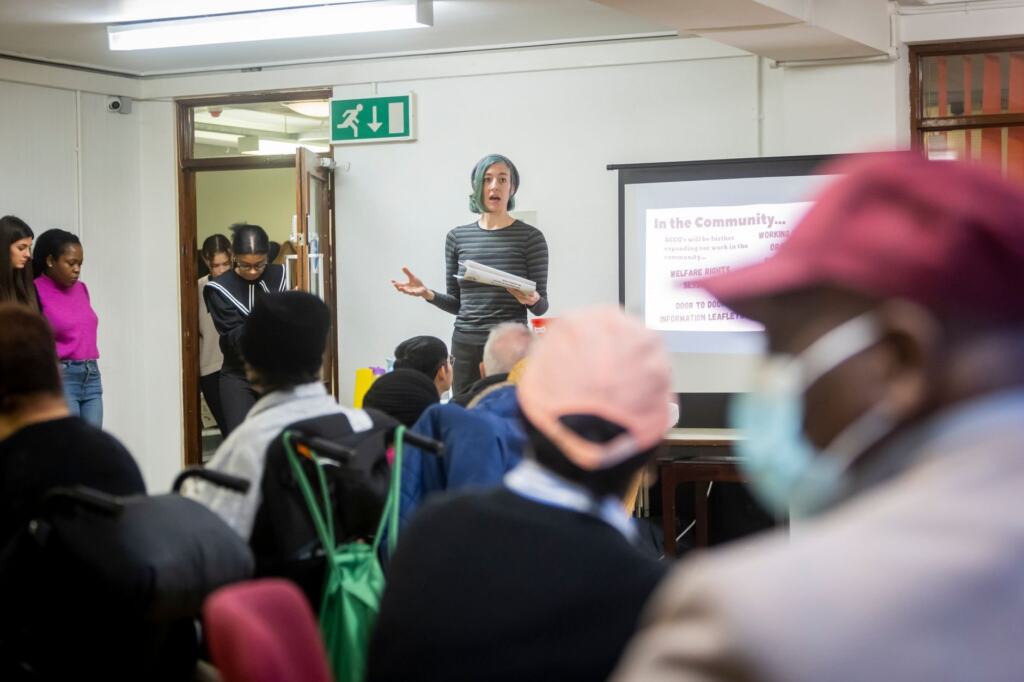
A volunteer handbook
The same guidance notes that larger organisations that use many volunteers sometimes publish a volunteer handbook. Among the items it suggests including are attendance requirements and details about whom to contact in case of illness.
A full handbook suits an organisation with many volunteers and recurring programmes. A small campaign team is usually better served by a short written sheet carrying the same practical items, plus the role description, so people can find answers without asking you each time.

Keeping people through a long campaign
Motivation is the part of managing volunteers that most differs from managing staff. Extension guidance is blunt that volunteers must be actively engaged before a team approach pays off.
Find out what motivates each person
The extension guide tells leaders to figure out what motivates their volunteers and what is important to them. Ask early and ask again. Someone who joined to learn campaign skills needs different work from someone who joined to meet neighbours, and a role that ignores the reason will not last.
Check in and share ownership
Charity Engine’s advice is to regularly check on volunteers, which shows whether they have questions and whether they are meeting expectations. Regular contact also means problems surface while they are small.
Brief team gatherings are a natural place for this, and how to run a community group meeting covers keeping them short and useful. Shared ownership from the team approach works best when volunteers have a voice there, rather than only receiving instructions.
Why volunteers drift away
Charity Engine warns that volunteers who are missing training or supplies feel frustrated and are likely to leave. That makes preparation a retention measure as well as a courtesy. Galaxy Digital adds that regular recognition, skill development opportunities and showing appreciation help keep volunteers engaged and committed, which points to the next skill.
Saying thank you
Recognition works best when it is frequent and varied rather than saved for an end-of-campaign event.
Thanks that fit the effort
For how to thank volunteers, Charity Engine’s advice is simple: say thank you often, from an email to a pizza lunch, so people know they are appreciated. A quick message after a busy shift, a named mention at a meeting and a shared meal for a big push each suit a different level of effort.

Pairing thanks with growth
Appreciation lands harder when it comes with opportunity. Offering a volunteer a chance to build a skill, such as running a small team or leading a briefing, recognises what they already do well and gives them a reason to stay.
Frequently asked questions
| Question | Answer |
|---|---|
| Are volunteers covered by workers’ compensation? | Not necessarily. A nonprofit management guide notes that almost all US states require workers’ compensation insurance for on-the-job injuries to employees, but that requirement does not automatically extend to volunteers. Check cover for your own group. |
| Are volunteers legally liable for mistakes? | Usually not, according to the same guide, as long as they work within the scope of their assigned role, act reasonably and avoid criminal activity. That is another reason to define roles in writing. |
| Is there a qualification for volunteer managers? | Yes. Galaxy Digital mentions the Certified in Volunteer Administration (CVA) credential from the Council for Certification in Volunteer Administration. It is an option for professionals, not a requirement for running a campaign team. |
| Who should be responsible for volunteers on a small campaign? | One person should coordinate, but the team approach described by Mississippi State University Extension spreads ownership and responsibility across the group, so the coordinator is not the only person holding the program together. |