
To learn how to start a petition, first decide whether you need an advocacy petition or a governmental one, then confirm the signature rules with the responsible authority before collecting anything. Only governmental petitions that follow official rules carry legal consequences.
Petitions are one route into how to get involved in local politics. This guide takes you from choosing the right kind of petition through to filing it and following up.
Before you begin
A petition drive goes smoothly when four things are settled first. Each one decides what the rest of your work looks like.
- Your goal. Write down the specific request, position, proposal or action you want people to support. A petition is a written or electronic statement that people sign to express support for a specific request, according to the Community Tool Box at the University of Kansas.
- Your audience. Name who must receive the petition: a city council, an election authority, a company or another organization. The recipient determines whether your petition is advocacy or a formal legal procedure.
- Your local rules. Find the current requirements from the election authority, government body or agency responsible for the petition. Rules from another state, county, city or election cycle may not apply to you.
- Your team and supplies. You need clipboards, pens, copies of the petition form and a few reliable helpers. Plan to keep copies of everything you submit.
Steps to start a petition
Step 1: Decide which kind of petition you need
The first choice is between a petition that asks and one that triggers a procedure. Many petitions are informal advocacy: when the recipient is not a government process, the recipient is generally not legally required to act just because people signed.
Governmental petitions work differently. They are tied to formal procedures and carry legal consequences, so organizers must follow the current rules of the responsible election authority, government body or agency. A ballot initiative is the clearest example, because it may allow eligible voters to propose a measure for the ballot.
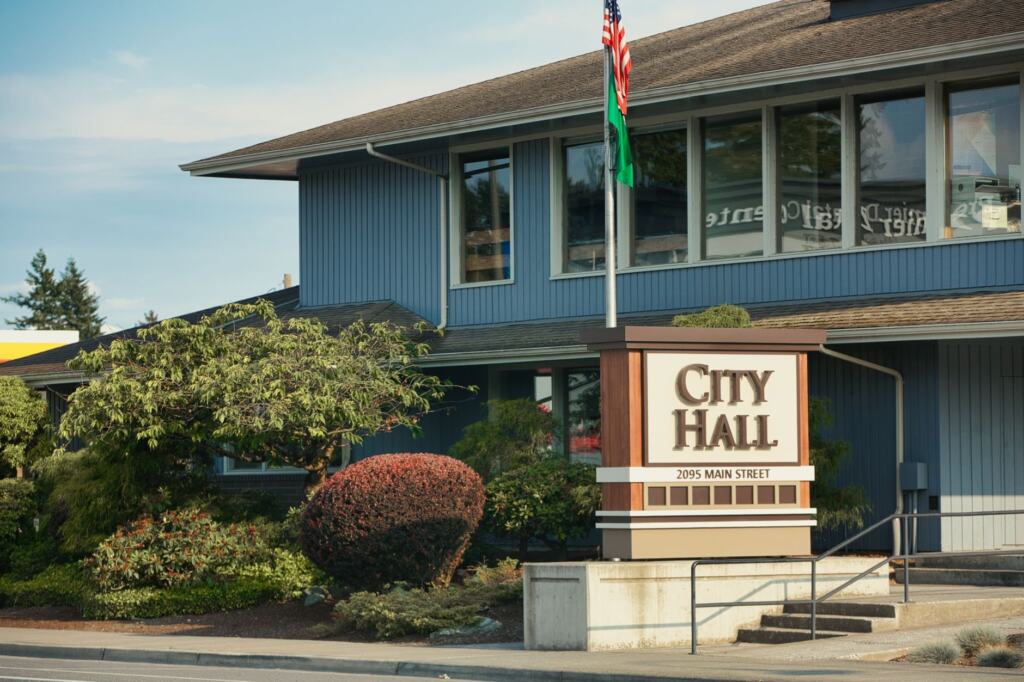
A petition to a city council can fall on either side. It is advocacy if you are simply presenting signatures to council members. It is legally binding only if the municipal code or another official rule sets up a procedure that your petition meets. Check your city’s rules before you decide, because that answer determines which of the following steps are mandatory for you.
Step 2: Look up the signature requirement, deadline and filing rules
If your petition is governmental, the number of valid signatures is set by the governing rules. It is not uniform across states, counties, cities or election cycles. The Community Tool Box says plainly that requirements vary and that general advocacy instructions should not replace the official rules.
Look up the following from the responsible authority, typically the city clerk’s office and municipal code for local petitions, or the secretary of state and state election code for statewide ones:
- the number of valid signatures required
- the filing deadline, which matters most for ballot initiative petitions
- where and how the petition must be filed
- whether signatures must be witnessed, verified or notarized
Write each answer down with the date you checked it. If you are running an advocacy petition with no legal trigger, you set your own target, but you still need to know what number would look credible to the recipient.
Step 3: Write the petition text and prepare the form
Keep the request short and specific, so a signer knows exactly what they are supporting. For a governmental petition, use the format the official rules prescribe rather than your own layout.
Design the signature lines so every field the rules require is captured on the page. One advocacy campaign, for instance, asks signers to fill in at least their full name and zip code to be counted. That is a campaign-specific rule, not a government standard, so treat it as a minimum for informal petitions only.

Step 4: Set a signature margin and recruit circulators
Plan to gather more signatures than the minimum, because some submitted signatures may be rejected. The Community Tool Box warns against treating a fixed percentage as a universal rule. The right margin depends on the rules, how many signatures are likely to validate, your time and your team’s capacity.
Before you recruit helpers, confirm who may sign and who may circulate. Whether signers must be registered voters depends on the petition rules, and some governmental petitions set requirements for circulators. A petition circulator who does not meet those requirements could put every sheet they carry at risk, so check first and brief your volunteers on the rules.
If you have not recruited helpers before, the practical skills overlap with how to volunteer for a political campaign, since both rely on friendly, organized contact with the public.
Step 5: Collect signatures effectively and legally
Go where people in your community congregate. Public Citizen suggests festivals, candidate town hall meetings and similar gatherings in its petitioning tips, and local group meetings and farmers markets are natural fits too. A gathering you host yourself works as well, and how to organize a community meeting covers that groundwork.
Door-to-door canvassing is especially effective for petitions on local issues, according to the Public Interest Network. It suits a city council petition because the people who live nearby are the ones whose signatures carry the most weight.
- Bring multiple clipboards. Public Citizen notes that more than one person can then sign at the same time, which shortens queues at busy tables.
- Stay within the rules. Collect only from people eligible to sign under the petition rules, and ask each signer to complete every required field.
- Watch for duplicates. Submitted signatures may be rejected for an ineligible signer, incomplete information, duplicate signing or signing outside the required district.

Step 6: Review the sheets and file them
Go through every sheet before filing and set aside entries that are incomplete or duplicated. Then file exactly as the rules direct. For a governmental petition, the official rules set where and how to file, as well as the deadline, so use that method rather than a convenient alternative.
For an informal advocacy petition, follow the instructions of whoever is receiving it. One advocacy group, for example, asks that completed sheets be returned by fax, email or mail, as printed at the bottom of each page.
Preserve copies of petition forms, submission records, instructions and other required documentation when permitted. They are your proof if anyone later questions what you filed and when.
Step 7: Follow the verification and the response
After a governmental petition is filed, the official process checks whether the signatures are valid. Some processes require witnessing, verification or notarization, so confirm what applies and keep your records ready in case officials ask for them.
For an advocacy petition, the outcome rests on persuasion. Petitions are only valuable for swaying a decision-maker if they gather enough signers to show compelling support, as the Public Interest Network puts it. Present the signatures at a council meeting or in a meeting with the relevant officials, and follow up in writing.

Online petitions and legal weight
You can start an online petition quickly. Change.org, for instance, advertises that you can start a petition in two minutes and says it notifies more than 1,000 government officials in its network daily. Those are the platform’s own claims about reach.
Legal weight is a separate matter. A petition on a platform sent to a non-governmental recipient is generally not binding, and a governmental petition counts only if it follows the rules of the responsible authority. Use an online petition to build visible support and awareness. If you need a council response by law, run the official procedure as well.
Checkpoint table
Use this table before you file, to confirm that each point has been settled for your own jurisdiction.
| Checkpoint | What to confirm | Planning use |
|---|---|---|
| Petition type | Advocacy petition or governmental procedure | Decides whether the recipient must act |
| Signature count | Required number of valid signatures set by the governing rules | Sets your collection target |
| Signer eligibility | Whether signers must be registered voters | Tells your team who to approach |
| Circulator rules | Whether circulators must meet specific requirements | Avoids invalid sheets |
| Verification | Whether signatures must be witnessed, verified or notarized | Shapes how you collect |
| Filing | Deadline, location and method | Prevents a late or misdirected filing |
These checkpoints reflect the items the Community Tool Box lists for governmental petitions.
Frequently asked questions
What details do signers have to provide?
That depends on the petition. For a governmental petition, the official rules decide. One advocacy campaign, as a campaign-specific rule, requires at least a full name and zip code for a signature to count.
Can I follow the process described for another city or state?
No. Do not assume that a process described in another state, county, city or election cycle applies to yours. Verify current requirements with the official authority responsible for your petition.
Does a large number of signatures prove most people agree?
No. A petition is not automatically evidence that the majority agrees. The count shows only how many valid signers supported the request, not what the whole community believes.
Which kinds of governmental petitions exist?
Governmental petition procedures include ballot initiatives, referenda, candidate qualification, recall procedures and legislative or regulatory processes. Each is governed by its own rules.